soundart
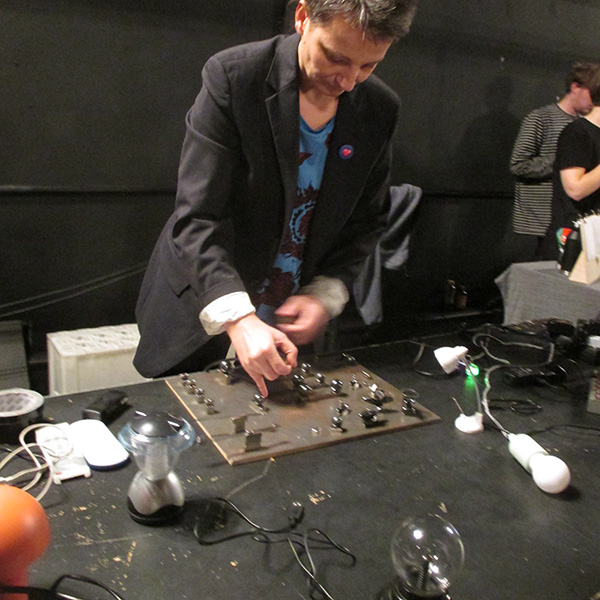
Ik was gisteren in Worm voor de Instruments Make Play Fair, een beurs met muzikanten die hun eigen instrumenten bouwen. Vaak zijn het elektronische maaksels waarmee piepjes en ruis gemaakt wordt. Gelukkig waren er ook aan aantal mensen die zicht niet hiertoe beperkten. Eén van hen was Jasna Veličković die muziek maakte met behulp van stalen kogels en andere objecten.
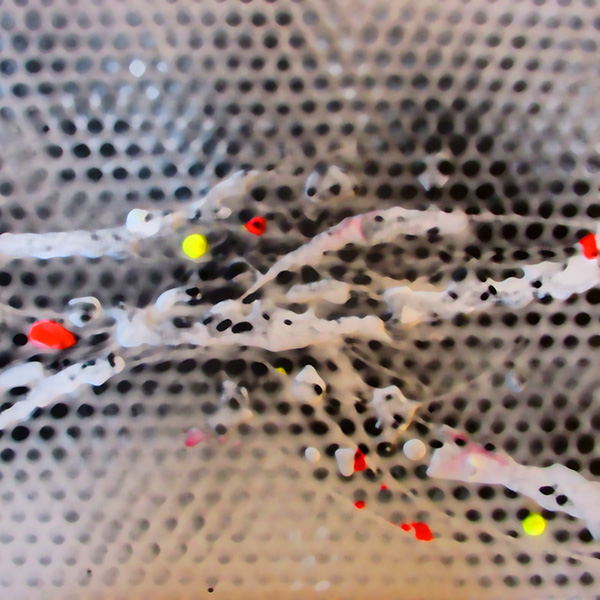
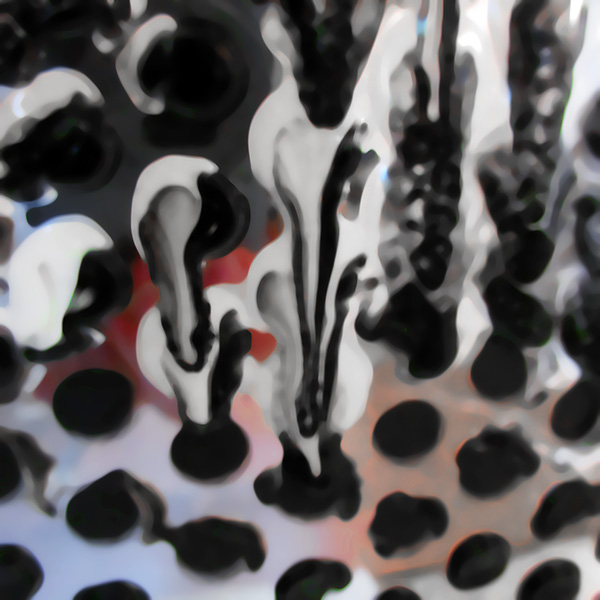
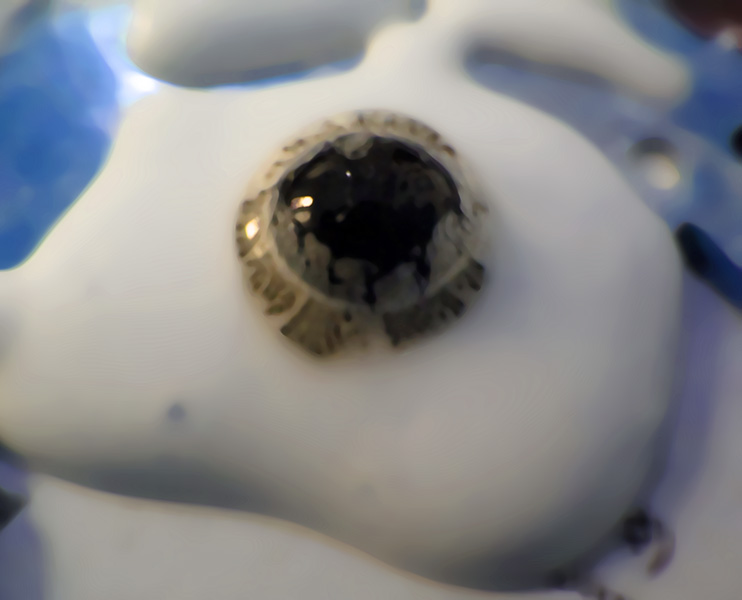
CARLOS AMORALES The Factory
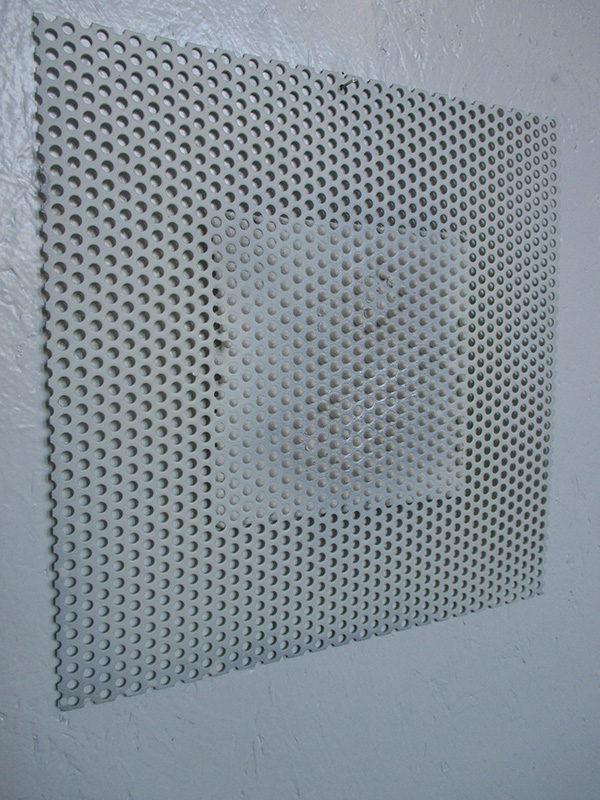
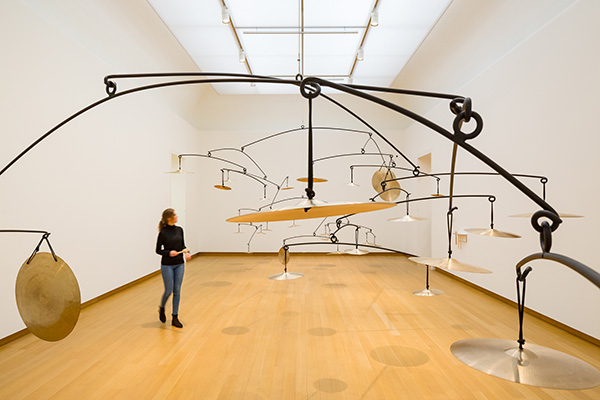
Carlos Amorales, We’ll See How All Reverberates, 2012. Met dank aan de kunstenaar en kurimanzutto, Mexico-Stad / New York. Foto: Peter Tijhuis
Dit is een expositie waar ik tijdelijk het eerste bezoek al besef dat ik dit vaker wil bezoeken om meer te ervaren. En dat ik een begeleidende publicatie wil hebben.
Op dit laatste moet ik nog even wachten want er is iets mis gegaan bij het drukken van de speciale uitgave bij deze expositie. Kan ik dus kopen bij een van mijn volgende bezoeken.
Er is veel te zien, van werk uit de tijd dat hij nog in Amsterdam woonde – dat ik toen al gezien heb – tot werk dat speciaal voor deze expositie gemaakt is.
Het werkt aan het eind van de tentoonstelling, Amsterdam, was mijn favoriet. Hierin komt veel van Amorales werkwijze samen. In een gang hangt een filmscript dat is ontstaan door een tekst geschreven door Amorales en een Argentijnse schrijver (naam zal ik later toevoegen) en vervolgens bewerkt met behulp van een kopieerapparaat. Zo is het script abstracter geworden en ontstond er meer ruimte voor de acteurs om het vorm te geven. In een zaaltje ernaast is de film te zien.
De expositie blijft nog lekker lang, t/m 17 mei. Gaat dat zien.
Een paar dagen na mijn bezoek lees ik een wervende recensie in Het Parool.
Carlos Amorales in Stedelijk
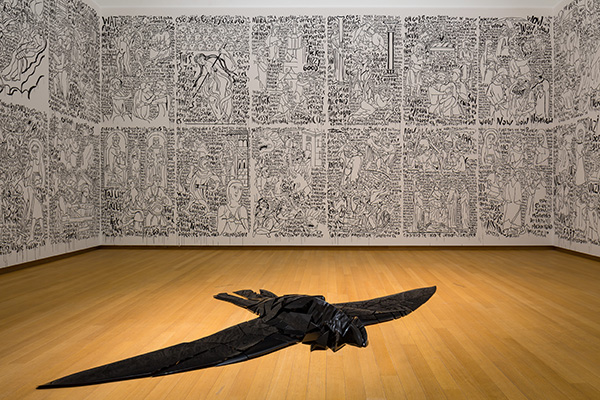
Zaalopname van: Carlos Amorales, Aprende a joderte (Learn to Fuck Yourself), 2019. Met dank aan de kunstenaar en kurimanzutto, Mexico-Stad / New York; en Dark Mirror, 2008. Collectie Vanhonsebrouck. Foto: Peter Tijhuis
Het is tragikomisch dat juist bij deze expositie zoveel selfies gemaakt worden. Narcisme, de fixatie op zichzelf, is één van de thema’s in Amorales werk. Als het zondagspubliek zaalteksten had gelezen hadden ze dit dadelijk begrepen en over hun positie kunnen nadenken. Maar nee, ze komen niet om te leren en om zicht te ontwikkelen. Vermaak en zelfgeilheid, daar gaat men de deur voor uit.
Waveness
In De Appel zag ik de presentatie van Waveness van Maartje Fliervoet.
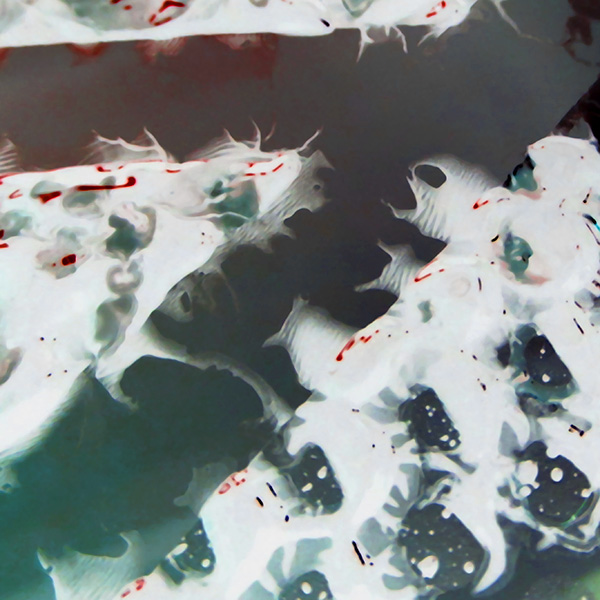
Maartje Fliervoet genereert nieuw beeld. Het werk in De Appel is even vaag en concreet als mijn eigen werk. Ook zij onderzoekt hoe dit nieuwe beeld te presenteren. Hoe het zich laat verhouden tot de ruimte waarin het getoond wordt en tot de beschouwer.
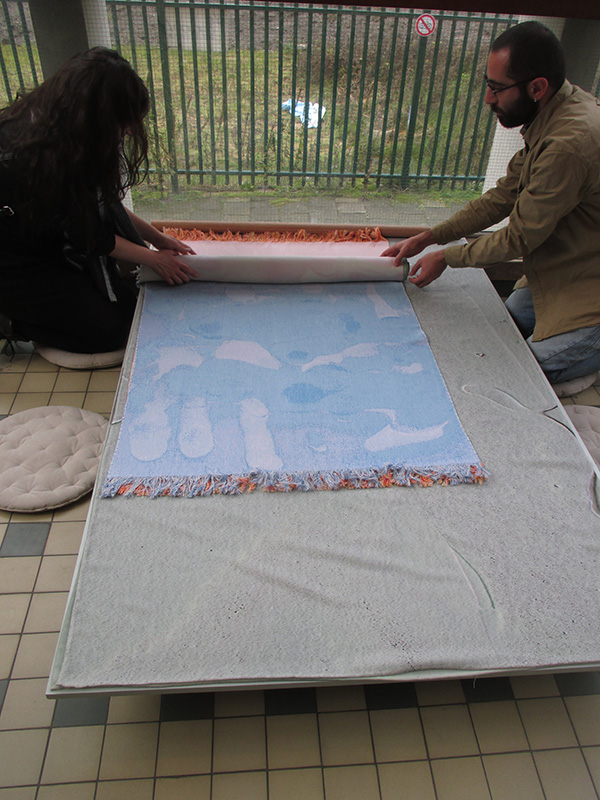
Het aanvangsbeeld was in dit geval fotogrammen gemaakt door buurtbewoners rond de Sloterplas in Amsterdam. De fotogrammen zijn gemaakt met water uit de plas.
Om het beeld van de niet-gefixeerde fotogrammen te behouden vindt ze een andere vorm: weefsels en inkjetprint op doek. Nieuwe kleuren, een tactiliteit.
De doeken liggen in De Appel op een stapel in het trappenhuis. Met behulp van een houten staaf kunnen de verschillende lappen opgerold worden waarna de onderliggende zichtbaar wordt.
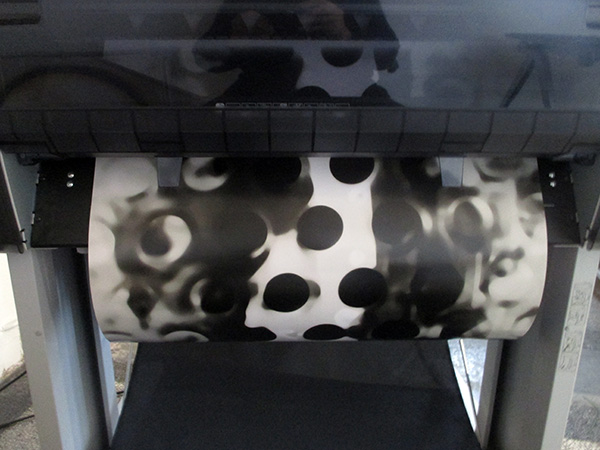
printen
Vandaag weer eens geprint. Op glanzend papier deze keer. Omdat ik een rol heb staan, nog twee zwarte inktpatronen voor glans papier heb en weer eens wilde zien hoe mijn foto’s het op glans doen.
En net als de eerste keer dat ik op glans papier printte ontstonden er direct krassen op het papier, zelfs zonder het aan te raken. En bij het ophangen werd het nog erger. Nu is het helemaal zeker: op glossy paper printen is geen optie voor mij.
Vervolgens nog een test print gemaakt met ‘Photo black’ (is voor glanspapier) op mat papier. Dat levert helaas geen zwart op maar grijs.
Op bovenstaande foto wordt er op glanspapier geprint.
Essentie
The common notions are more biological than mathematical.
De common notions (algemene begrippen) zijn het gezichtspunt waaruit de Ethica geschreven is. De common notions vormen de overgang van de tweede naar de derde soort van kennis, we gaan voorbij het verstand en komen in het intuïtieve intellekt als systeem van essentiële waarheden of bewustzijn.
We ervaren de essentie.